From the archive
Oman's Trade Surplus Surges to OMR 4.7 Billion
Oman's trade surplus surged to OMR 4.7 billion by June 2026, a 51% year-on-year increase driven by strong oil and gas exports.
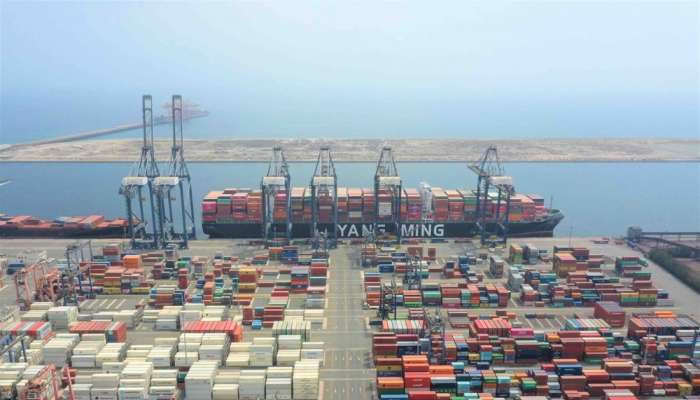
Oman's trade balance registered a surplus of approximately OMR 4.7 billion by the end of June 2026, according to data issued by the National Centre for Statistics and Information (NCSI). This figure represents a substantial increase when compared to the OMR 3.1 billion surplus recorded during the same period in 2025. The trade surplus saw an increase of about 51 percent year-on-year, showing a strong performance in the Sultanate's external trade.
Export Growth Drives Surplus
Oman’s total merchandise exports increased by 15.3 percent, reaching approximately OMR 13.2 billion by the end of June 2026. This figure marks an increase from the OMR 11.5 billion recorded during the corresponding period in 2025, according to data from the National Centre for Statistics and Information (NCSI). The growth in merchandise exports was primarily driven by a 16.5 percent surge in the value of oil and gas exports. Oil and gas exports totaled around OMR 8.6 billion by the end of June 2026, up from approximately OMR 7.4 billion at the close of June 2025. This significant rise in oil and gas revenue was a key contributor to the overall export expansion. Non-oil exports also contributed to the overall export expansion, recording an 11.4 percent growth. These exports reached about OMR 3.6 billion by the end of June 2026, compared to approximately OMR 3.3 billion during the same period last year. The diversified growth across both oil and non-oil sectors notes the broad-based strength of Oman's export economy.
Re-exports and Imports
Oman's re-exports increased by 20 percent, reaching OMR 978 million by the end of June 2026. This figure represents an increase from OMR 815 million recorded during the same period in the previous year, demonstrating a healthy re-export market. Meanwhile, the value of merchandise imports also rose, climbing by 2.1 percent to approximately OMR 8.6 billion by the close of June 2026. This compares to about OMR 8.4 billion in merchandise imports recorded by the end of June 2025. The relatively modest increase in imports compared to the substantial growth in exports further contributed to the widening trade surplus.
Key Trade Destinations
The United Arab Emirates emerged as the primary destination for Omani non-oil exports, registering a value of OMR 1.134 billion. The Kingdom of Saudi Arabia followed as the second-largest market for these exports, accounting for OMR 357 million. The Republic of India was the third leading destination for Omani non-oil exports, with a total value of OMR 333 million. These figures show the strong regional and international trade relationships for Oman's non-oil products.
For re-exports, the Islamic Republic of Iran topped the list of destinations, receiving Omani goods worth OMR 254 million by the end of June 2026. The United Arab Emirates was the second-largest destination for re-exports, with a value of OMR 221 million. The Kingdom of Saudi Arabia secured the third position in re-export destinations, amounting to OMR 188 million. The diversity of re-export markets indicates Oman's role as a regional trade hub.
Leading Import Sources
The United Arab Emirates was the primary source of imports for Oman, with goods valued at OMR 2.423 billion by the end of June 2026. This notes the significant economic ties between the two nations. Following as the second-largest exporter to Oman was the People’s Republic of China, which supplied goods worth OMR 1.194 billion during the same period. The Republic of Türkiye ranked third among leading countries exporting to Oman, with its goods amounting to OMR 676 million by the close of June 2026. These figures highlight the key trading partners contributing to Oman's import landscape, reflecting a blend of regional proximity and global supply chain reliance.