From the archive
Oman's Producer Prices Surge 32.7% in Q2 2026 Driven by Mining and Manufacturing Sectors
Oman's Producer Price Index surged 32.7% in Q2 2026 year-on-year, primarily driven by significant price hikes in the mining and manufacturing sectors.
Oman's Producer Price Index (PPI) registered a substantial increase of 32.7 percent in the second quarter of 2026 when compared to the same period in 2025. This significant surge, reflecting a year-on-year change, indicates rising costs for producers within the Sultanate. The National Centre for Statistics and Information (NCSI) reported the increase, noting the economic shift in the Omani market. The Q2 2026 data reflects a notable change from the previous year, impacting various sectors across the country and signaling broader inflationary pressures at the producer level. This overall increase in the PPI for the second quarter of 2026 shows a period of significant price adjustments within the Omani economy.
Mining and Quarrying Price Hikes
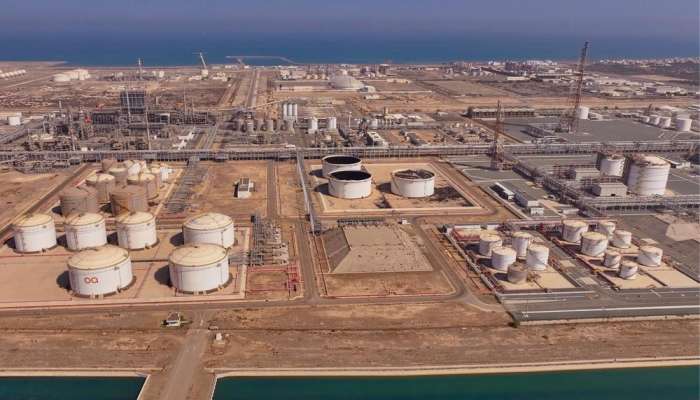
The overall increase in the Producer Price Index was largely attributed to a 31 percent rise in mining and quarrying prices, according to the National Centre for Statistics and Information (NCSI). This substantial increase in the mining and quarrying sector played a key role in driving up the national PPI. Within this sector, crude oil and natural gas prices saw a significant increase of 31.9 percent during the second quarter of 2026. These energy commodities, key to Oman's economy, experienced considerable price appreciation. Prices for stone and sand products also experienced a modest rise, going up by 0.5 percent, indicating a slight upward trend in construction-related raw materials. Conversely, the NCSI reported that prices for mineral ores fell by 14.3 percent in the same period, partially offsetting some of the broader increases within the mining and quarrying category. The diverse movements within this sector highlight the varied dynamics affecting different raw materials.
Manufacturing Sector Drives Growth
Prices in the manufacturing sector rose by 40.3 percent during the second quarter of 2026, according to data from the National Centre for Statistics and Information (NCSI). This significant increase shows the strong upward pressure on prices within Oman's industrial output. This increase was significantly influenced by various sub-sectors, contributing substantially to the overall PPI growth. Prices for other transportable goods increased by 55.3 percent, indicating a broad rise in the cost of moving goods. Within this category, refined petroleum products experienced the highest increases, surging by 88.2 percent, marking the most substantial rise among other transportable goods. This sharp rise in refined petroleum products directly impacts numerous downstream industries and consumer costs.
Chemical products also saw notable increases of 21.4 percent, reflecting higher input costs or increased demand for these industrial materials. The NCSI data further indicated that prices for the metal products, machinery, and equipment group rose by 31.7 percent. This increase points to higher costs for capital goods and industrial components. Products made of iron, steel, or aluminium recorded the highest increase within the metal products group, climbing by 48.9 percent. This specific surge in basic metal prices has widespread implications for construction and manufacturing. Additionally, prices for power transformers, electrical distribution equipment, and cables increased by 39.8 percent during the same period, signaling rising costs in the electrical infrastructure sector.
Other Sector Price Movements
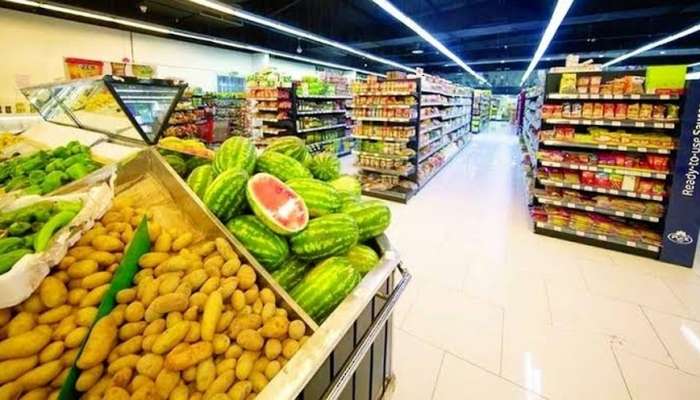
Prices for food, beverages, and textiles collectively rose by 2.8 percent in the second quarter of 2026, according to the National Centre for Statistics and Information (NCSI). This moderate increase suggests a more stable, albeit upward, trend in consumer-facing goods compared to the industrial sectors. Within this group, footwear prices recorded the highest increase, climbing by 6.7 percent, indicating specific inflationary pressures in this segment. Woven fabrics also saw a price rise of 2.8 percent during the same period, contributing to the overall increase in the textiles category. Separately, water prices increased by 4.4 percent, affecting essential utility costs for both businesses and households. The NCSI also reported that electricity prices rose by 13 percent in the second quarter of 2026 when compared to the second quarter of 2025, further adding to the operational costs for businesses and impacting the broader economy.