From the archive
Oman's Refinery Product Output Declines Slightly, Driven by Key Fuel Categories
Oman's total refinery product output decreased 3.7% to 129.08 million barrels by July 2026, with key fuel categories seeing reduced production.
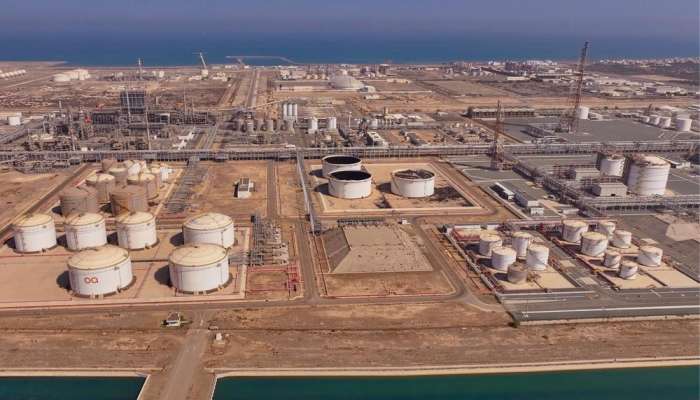
The Sultanate of Oman's total refinery product output reached 129.08 million barrels by the end of July 2026, according to preliminary statistics released by the National Centre for Statistics and Information (NCSI). This full figure for total refinery products indicates the overall performance of the nation's refining sector during the period. This figure represents a 3.7 percent decrease compared to the same period in 2025, noting a contraction in the sector's output year-on-year. The decline in overall refinery production is attributed to reduced output in key fuel categories, impacting the total volume of refined products. These preliminary statistics were issued by the National Centre for Statistics and Information (NCSI), providing an official overview of the industry's performance.
Automotive Fuel Production and Sales Dip
Total automotive fuel production in the Sultanate of Oman registered a 1.4 percent decrease by the end of July 2026, according to preliminary statistics from the National Centre for Statistics and Information (NCSI). This overall reduction in automotive fuel output reflects shifts within the domestic market and export demands.
Regular automotive fuel (M91) production saw a 4.5 percent reduction, reaching 9,629,700 barrels during the same period. This decline in M91 output represents a notable shift in production priorities or demand dynamics. Sales of M91 also declined, falling by 4.6 percent to 10,038,800 barrels compared to July 2025 figures, indicating a decrease in domestic consumption. Despite the dip in production and sales, M91 exports increased by 9.8 percent, totaling 1,984,500 barrels, suggesting a stronger international market for this particular fuel grade.
In contrast, premium automotive fuel (M95) production experienced a 2.6 percent rise, reaching 8,319,200 barrels by the end of July 2026. This increase in M95 output indicates a different production trajectory compared to M91. However, M95 sales recorded a significant decline of 10.6 percent, amounting to 8,855,100 barrels, pointing to reduced domestic demand for premium fuel. M95 exports saw a substantial drop of 33.9 percent, settling at 362,900 barrels, reflecting a significant decrease in international shipments. These figures highlight varied trends within Oman's automotive fuel sector, with M91 showing increased export activity despite production and sales decreases, while M95 faced declining sales and exports despite an increase in production.
Mixed Trends in Other Refined Products
Gas oil (diesel) production declined by 6.8 percent, reaching 43,305,400 barrels by the end of July 2026. This decrease in diesel output contributes to the overall reduction in refinery products. Sales of gas oil (diesel) also dropped, falling by 8.3 percent to 11,112,700 barrels, indicating a reduction in domestic consumption. Gas oil (diesel) exports decreased by 11.8 percent, recording 33,326,500 barrels over the same period, reflecting a weaker export market for this fuel.
In contrast, aviation fuel production experienced a 12 percent increase, totaling 16,788,400 barrels by the end of July 2026. This substantial rise in production suggests a strategic focus or increased capacity for jet fuel. Despite this rise in production, aviation fuel sales fell by 9.2 percent to 2,567,600 barrels, indicating a decrease in local demand. However, aviation fuel exports saw a significant increase of 27.4 percent, reaching 14,516,800 barrels, pointing to strong international demand.
Liquefied Petroleum Gas (LPG) production registered a 3.3 percent decrease, amounting to 6,456,200 barrels by the end of July 2026. This decline in LPG output marks a slight reduction in overall supply. LPG sales also declined sharply, dropping by 22 percent to 1,764,500 barrels, indicating a significant fall in domestic consumption. Meanwhile, LPG exports recorded a 3.9 percent increase, reaching 2,057,300 barrels, showing some growth in foreign markets.
Naphtha production rose by 4.5 percent, reaching 22,609,400 barrels by the end of July 2026. This increase in naphtha output reflects positive production trends for this key petrochemical feedstock. Naphtha sales increased by 3.2 percent to 8,333,800 barrels, indicating a healthy domestic market. Naphtha exports also saw an increase, growing by 2.6 percent to reach 14,658,100 barrels, further solidifying its market position.
Petrochemicals and Other Outputs
Production of other refinery products dropped by 15.9 percent, reaching 21,974,900 barrels by the end of July 2026. This category, encompassing various less common refined products, saw a significant reduction in output. Sales of these products declined by 21.7 percent to 18,316,800 barrels, indicating a substantial fall in domestic demand. Exports of other refinery products decreased by 3.1 percent, totaling 5,615,700 barrels, reflecting a slight contraction in international sales.
In petrochemicals, benzene production increased by 7.3 percent to 109,900 metric tonnes by the end of July 2026. This growth in benzene output notes a positive performance for this specific chemical. Benzene exports also rose by 11.3 percent, reaching 108,000 metric tonnes, indicating strong international demand. Paraxylene production recorded a growth of 9.6 percent, amounting to 370,500 metric tonnes, by the end of July 2026, showcasing expansion in this segment. Its exports rose by 1.7 percent to 372,400 metric tonnes, demonstrating continued international market presence.
Conversely, polypropylene production decreased by 25.4 percent, reaching 149,900 metric tonnes. This significant drop in polypropylene output points to challenges or adjustments in its manufacturing. Polypropylene sales rose by 32.1 percent to 23,500 metric tonnes, indicating a substantial increase in domestic uptake. However, its exports fell by 17.9 percent to 122,300 metric tonnes, suggesting a decline in foreign market penetration.