From the archive
Oman's Inflation Rate Hits 3.4% in August 2026
Oman's inflation rate reached 3.4% in August 2026, an increase from the previous year. Transport and food prices saw significant rises.
The Sultanate of Oman's inflation rate climbed to 3.4 percent in August 2026, marking an increase compared to the same month in the previous year. Specifically, the inflation rate reached 3.4 percent in August 2026, compared with the corresponding month of 2025. This figure notes recent price movements within the Omani economy. For the broader period from January to August 2026, the average inflation rate was recorded at 2.9 percent. These statistics provide a snapshot of consumer price trends across the Sultanate during the specified months, indicating a notable upward trajectory in overall prices. The year-on-year comparison offers key insights into the evolving economic landscape.
Key Sectors Drive Price Increases
Several key sectors contributed significantly to the overall inflation rate. The transport group experienced the highest year-on-year price increase in August 2026, registering an 8.5 percent rise. This substantial increase in transport costs had a notable impact on the consumer price index. Following this, the food and non-alcoholic beverages group saw prices climb by 7 percent compared to the previous year, showing the rising cost of essential goods. The miscellaneous personal goods and services group also recorded a significant increase, with prices rising by 6.1 percent, reflecting higher costs for various personal items and services.
Prices within the restaurants and hotels group increased by 3.6 percent, indicating a rise in dining and accommodation expenses. The furniture, household equipment, and routine household maintenance group observed a 3.1 percent rise, affecting household budgets. Education costs also went up, recording a 2.2 percent increase, impacting families with students. The health group saw prices grow by 1.7 percent, pointing to an increase in healthcare expenditures. The culture and recreation group experienced a modest increase of 0.4 percent, while clothing and footwear prices inched up by 0.1 percent. In contrast, the communications and tobacco groups maintained stable prices, showing no change from August of the previous year. Meanwhile, the housing, water, electricity, gas, and other fuels group recorded a price decline of 0.6 percent, providing some relief in utility and housing-related costs.
Regional Inflation Variations
Inflation rates varied across Oman's governorates in August 2026, reflecting localized economic dynamics. Al Dhahirah Governorate recorded the highest inflation rate in the Sultanate, reaching 4.8 percent. Muscat Governorate followed with an inflation rate of 3.9 percent, indicating higher price pressures in the capital region. Al Dakhiliyah Governorate registered 3.8 percent, also above the national average. Al Wusta Governorate's inflation rate matched the national average at 3.4 percent. Musandam and Al Buraimi Governorates both recorded inflation at 3.3 percent, demonstrating similar price trends in these areas. South Al Sharqiyah Governorate saw its rate at 3.1 percent. Further variations included South Al Batinah Governorate at 2.7 percent and North Al Batinah Governorate at 2.5 percent. North Al Sharqiyah Governorate reported a rate of 2.2 percent. Dhofar Governorate recorded the lowest inflation rate among all governorates, standing at 2.1 percent for the month, suggesting more stable prices in the southern region.
Detailed Food Price Analysis
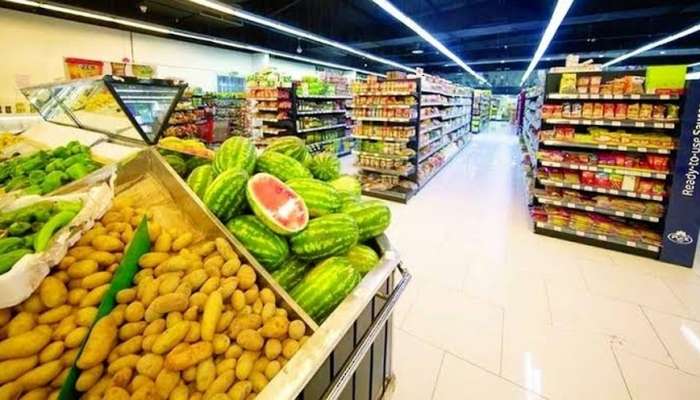
A closer look at the food and non-alcoholic beverages group reveals specific commodities driving the overall increase. Vegetable prices experienced a significant increase, rising by 19 percent compared with August 2025, making them considerably more expensive for consumers. Fruit prices also saw a substantial climb, up by 16.3 percent over the same period. Meat prices rose by 9.8 percent compared to August 2025, adding to the burden on household food budgets. Non-alcoholic beverage prices increased by 3.5 percent, while prices for food products not classified elsewhere grew by 3.1 percent. Milk, cheese, and eggs recorded a 3 percent rise, and sugar, jam, honey, and sweets saw prices increase by 2.3 percent. Bread and cereals registered a more modest increase of 0.8 percent compared with August 2025. Oils and fats prices rose by 0.1 percent. In contrast to these increases, fish prices declined slightly by 0.1 percent compared to August 2025, offering a marginal decrease in cost for this food item.