From the archive
Oman Central Bank Raises OMR42 Million Through Treasury Bills
Oman's central bank raised OMR42 million through the allotment of treasury bills on Monday, supporting government financing.
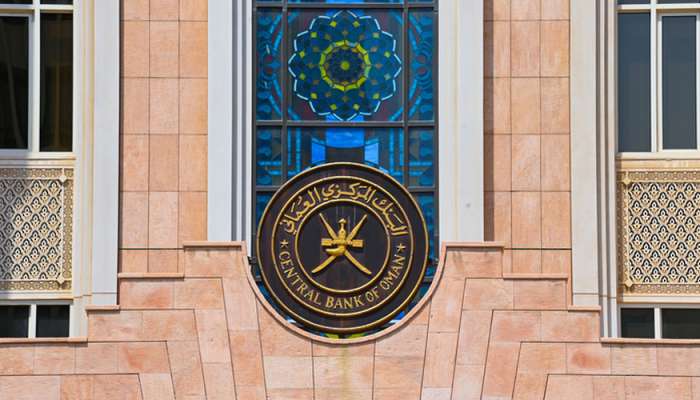
Oman's central bank successfully raised OMR42 million through the allotment of treasury bills on Monday. This operation saw Oman’s central bank raise OMR42 million by way of allotting these short-term debt instruments. The Central Bank of Oman facilitates these treasury bills, which offer licensed commercial banks an opportunity to invest their surplus funds. This mechanism allows financial institutions to manage liquidity effectively while simultaneously supporting the government's broader financing objectives. The issuance of these bills is a regular feature of the country's financial landscape, designed to maintain stability and provide investment avenues.
Treasury Bill Allotment Details
Oman's Central Bank allotted a significant OMR40 million in treasury bills specifically for a 91-day maturity period. For these 91-day bills, the average accepted price stood precisely at OMR99.050 for every OMR100. It is notable that this OMR99.050 per OMR100 was also the minimum accepted price during the allotment process, indicating a consistent valuation across accepted bids. The average discount rate applied to these 91-day maturity bills was calculated at 3.81044%. Consequently, the average yield recorded for these short-term instruments reached 3.84699%, providing a clear return for investors.
In addition to the shorter-term offerings, an additional OMR2 million in treasury bills were allotted for a longer 182-day maturity period. The average accepted price for these 182-day bills was OMR98.065 for every OMR100. This price also matched the minimum accepted price, similar to the 91-day bills, suggesting a uniform acceptance threshold. The average discount rate for these 182-day treasury bills was calculated at 3.88063%. Investors received an average yield of 3.95720% for the bills with the longer maturity period, reflecting the extended duration of the investment. These specific rates and prices show the market's current valuation of short-term government debt in Oman.
CBO's Role and Facilities
The Central Bank of Oman (CBO) serves as the Issue Manager for treasury bills, overseeing their issuance, allotment, and overall management within the Sultanate's financial system. This role is key for ensuring the orderly functioning of the money market. Beyond managing issuances, the CBO also actively supports market liquidity by offering discounting and repurchase facilities, commonly known as Repo operations. These facilities are vital tools that enable licensed commercial banks to manage their short-term liquidity needs efficiently, ensuring they can meet their obligations and continue lending. The interest rate applied to Repo operations conducted with the CBO is set at 4.25%, providing a clear cost for banks utilizing this short-term borrowing mechanism. For banks utilizing the treasury bills Discounting Facility with the CBO, the discount rate stands at 4.75%. These mechanisms are integral to the CBO's broader function in maintaining financial stability and facilitating the smooth operation of the money market in Oman, providing essential backstops for the banking sector.
Market Impact and Purpose
Treasury bills are fundamentally short-term, highly secured financial instruments issued by the Ministry of Finance. These instruments play a dual role in the nation's financial strategy. Firstly, the Government of Oman may utilize these treasury bills as a mechanism for financing its recurrent expenditures, offering a flexible way to manage its short-term financial needs. Secondly, such instruments also promote the development of the local money market. By providing a reliable and actively traded short-term debt instrument, they establish a benchmark yield curve for short-term interest rates, according to established financial market principles. This benchmark is key for pricing other financial products and for providing clear signals about the cost of short-term capital within the Omani economy. The consistent issuance and trading of these bills contribute significantly to the depth and sophistication of Oman's financial markets.