From the archive
Oman Central Bank Raises OMR23 Million Through Treasury Bills
Oman's Central Bank raised OMR23 million through treasury bills, aiming to manage liquidity and support the national economy.
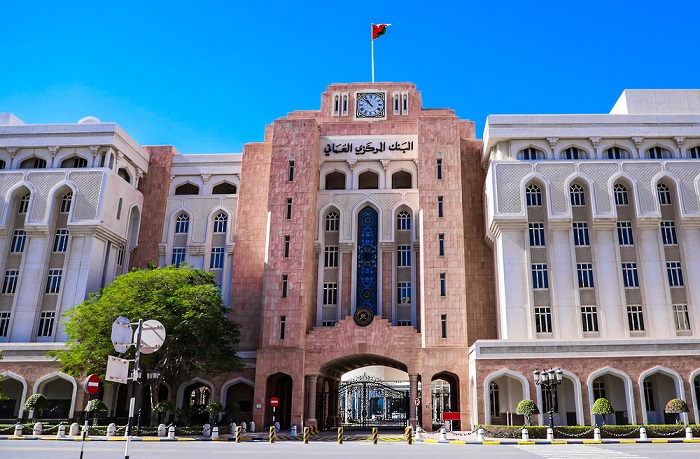
Oman’s Central Bank of Oman (CBO) raised OMR23 million on Monday through the allotment of treasury bills. The central bank conducted the auction as part of its regular operations to manage liquidity in the financial system. The treasury bills were offered to commercial banks and other investors in Muscat, providing a secure and flexible investment opportunity within the Omani financial market. The move aims to provide a short-term investment option while supporting the government's financial requirements and contributing to the stability of the national economy. This successful allotment shows the CBO's ongoing efforts to fine-tune monetary conditions and ensure efficient financial operations.
Auction Details Unveiled
The Central Bank of Oman (CBO) allotted OMR20 million in treasury bills with a 28-day maturity period. These specific bills represent a significant portion of the total OMR23 million raised. For these 28-day bills, the average accepted price was OMR99.720 for every OMR100. This pricing reflects the market's valuation of these short-term instruments. The minimum accepted price for the same 28-day treasury bills also stood at OMR99.720 per OMR100, indicating a consistent bidding range for this maturity. The average discount rate for the 28-day maturity period reached 3.65000%, a key metric for investors assessing the return on their short-term holdings. The average yield for the 28-day treasury bills was recorded at 3.66025%, providing a full view of the expected earnings for investors in this category.
The CBO also allotted an additional OMR3 million in treasury bills, carrying a longer maturity period of 91 days. This offering provides investors with a slightly extended investment horizon. For the 91-day treasury bills, the average accepted price reached OMR99.042 for every OMR100, reflecting the pricing for the longer duration. The minimum accepted price for these 91-day treasury bills was OMR99.035 per OMR100, demonstrating a narrow spread in accepted bids. The average discount rate for the 91-day maturity bills was 3.84386%, indicating the cost of borrowing for this specific tenor. The average yield for the 91-day treasury bills finalized at 3.88106%, offering investors a clear understanding of the annualized return on these instruments. The successful allotment of both 28-day and 91-day treasury bills notes the market's demand for varied short-term government securities.
Understanding Treasury Bills
Treasury bills are defined as short-term, highly secured financial instruments, recognized for their low-risk nature and liquidity. These instruments are issued by the Ministry of Finance, providing a mechanism for the government to manage its short-term financing needs. They play a key role in government cash management by allowing the Ministry of Finance to raise funds for its immediate operational requirements. The Central Bank of Oman (CBO) plays a key role in this process, acting as the Issue Manager for these treasury bills. This arrangement ensures that the issuance and management of these financial tools are conducted efficiently within the Omani financial system, maintaining market integrity and investor confidence. As the Issue Manager, the CBO oversees the auction process, allotment, and settlement, ensuring transparency and order in the market.
Monetary Policy Context
The interest rate for Repo operations conducted with the Central Bank of Oman (CBO) currently stands at 4.25%. This rate is a key component of the bank's strategy to manage liquidity within the financial system, influencing the cost of short-term borrowing for commercial banks. The Repo rate serves as a benchmark for interbank lending and helps guide overall market interest rates.
Additionally, the discount rate applied to the Treasury Bills Discounting Facility, also managed through the Central Bank of Oman, is set at 4.75%. This facility allows commercial banks to discount their treasury bills with the CBO, providing an additional avenue for liquidity management. These rates form part of the broader monetary policy tools utilized by the CBO to influence market conditions, control inflation, and support the stability of the Omani economy. The CBO's careful management of these rates is essential for fostering a strong and resilient financial environment in the Sultanate.