From the archive
Muscat Stock Exchange Index Drops Below 8,000 Points Amidst Broad Market Decline
The Muscat Stock Exchange index fell below 8,000 points, closing at 7,959 on Thursday amid broad market declines and investor anticipation of a major IPO.
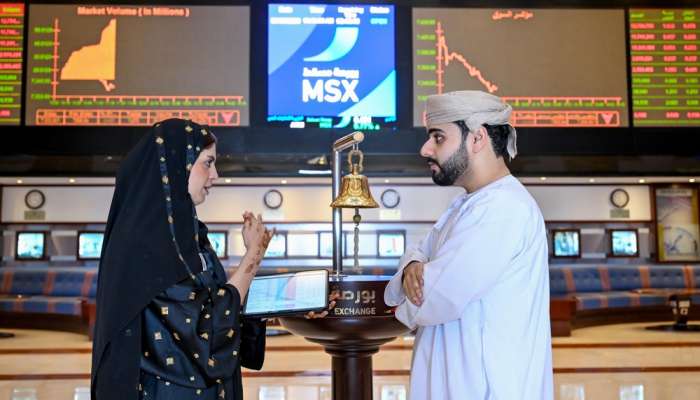
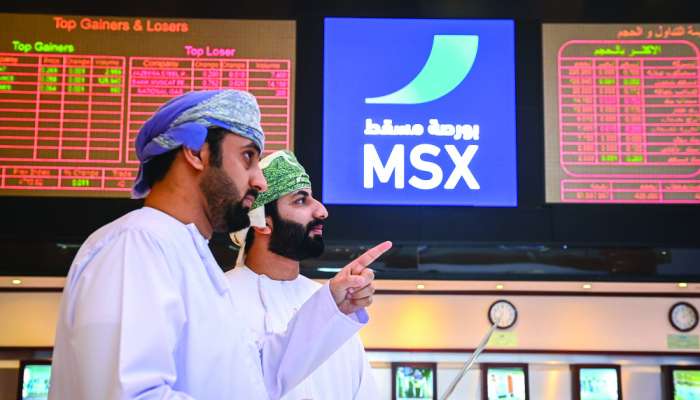
The main index of the Muscat Stock Exchange (MSX) closed at 7,959 points at the end of trading on Thursday, marking its lowest level in two months. The MSX index experienced a significant decline, falling 390 points over the course of the week. This downturn occurred as investors awaited the public offering of 25 percent of the shares of the Oman India Fertilizer Company. The index's close at 7,959 points represented a substantial shift from its recent performance, noting the broad market pressures.
Broad Market Declines Detailed
A broad market decline characterized the week's trading on the Muscat Stock Exchange. During this period, 65 securities experienced a decline in value, while 13 securities recorded a price increase. An additional 15 securities remained unchanged, reflecting the overall downward trend. This widespread negative sentiment impacted various sectors across the exchange.
The financial sector index was particularly affected, falling by more than 500 points to close at 12,764 points. This decline in the financial sector was a significant contributor to the overall market's downward trajectory. The industrial sector index also saw a significant drop, declining by 278 points. The services sector index recorded a decrease of 91 points. The Sharia index concluded the week at 639 points, registering a weekly decline of approximately 23 points. These sectoral declines showed the full nature of the market's retreat.
The market capitalisation of the Muscat Stock Exchange recorded losses totaling OMR961.5 million. The market capitalisation ultimately ended Thursday's trading session at OMR37.37 billion. This reduction in market value reflected the substantial impact of the week's trading activity on investor wealth.
Key Sector and Company Performance
Shares of Bank Muscat, Bank Sohar International, Bank Nizwa, and Ahli Bank declined within the banking sector. The services sector also saw declines, including shares of OQ Gas Networks, OQ Exploration and Production, Omantel, Ooredoo, and Renaissance Services, alongside many other energy companies. In the industrial sector, shares of Al Jazeera Steel Products, Al Safa Foods, Oman Flour Mills, Oman Chrome, and Al Anwar Ceramic Tiles were among those that fell.
Among the individual stock performances, Bank Muscat's stock declined by 9.6 percent, closing at 414 baisa. This significant drop positioned Bank Muscat as a key contributor to the banking sector's woes. Bank Sohar International's stock experienced a 9.4 percent decline, settling at 210 baisa. Dhofar Insurance's stock recorded an 8.8 percent decline, falling to 338 baisa. Bank Nizwa's stock decreased by 8.6 percent, closing at 137 baisa. Oman Chromite's stock fell by 8.5 percent, closing at 3 riyals and 111 baisa. These declines contributed to the broader market downturn observed across various sectors during the trading week, illustrating the widespread negative pressure on prominent companies.
Trading Activity and Top Movers
The number of securities traded fell from 971.9 million to 738.1 million securities during the week. Trading value recorded a 31.3 percent decline to OMR249.4 million, down from OMR363.6 million in the prior week. This substantial reduction in trading value indicated a decrease in overall market activity and investor engagement. The overall number of transactions executed decreased by 12.8 percent, moving from more than 30,000 to 26,432 transactions, further emphasizing the slowdown in market dynamics.
Bank Muscat topped the list of most traded companies, with a trading value of OMR50.8 million, representing 20.3 percent of the total trading value. This high trading volume for Bank Muscat occurred despite its stock price decline, indicating significant investor movement. Bank Sohar International followed in second place with OMR47.5 million in trading value, reflecting continued interest in the financial sector even amidst a downturn. OQ Basic Industries secured third place with OMR41.7 million, while Omantel was fourth with OMR34.1 million. OQ Gas Networks recorded OMR25.8 million in trades, accounting for 10.3 percent of the total trading value. These figures highlight the most active stocks in terms of capital exchanged.
Conversely, Sohar Power shares registered the highest gains, rising 20.2 percent to 226 baisa, demonstrating that some companies managed to defy the overall market trend. Fincorps Financial Center shares increased by 10.4 percent, closing at 116 baisa, providing another example of positive individual stock performance within a challenging week.
Historical Context and Outlook
The MSX index had begun to record gains since March 25, reaching the 8,000 point level for the first time in 18 years on that date. This historical high point provides context for the recent decline, indicating a reversal of a positive trend that had been building. Despite the overall market decline, some shares registered increases during the recent trading period. Raysut Cement shares climbed to 207 baisa, recording an increase of 8.9 percent. Oman Refreshments shares rose to 1.400 rials, marking a 6.8 percent increase. Additionally, National Bank of Oman shares climbed by 4.5 percent, reaching 437 baisa. These individual gains, while notable, were insufficient to counteract the broader negative sentiment that dominated the Muscat Stock Exchange throughout the week.