From the archive
Oman's Electricity Generation Sees Notable Rise
Oman's electricity generation rose 4.5% by the end of July 2026, reaching 31,732.5 GWh. Net production also increased, showing a steady upward trend.
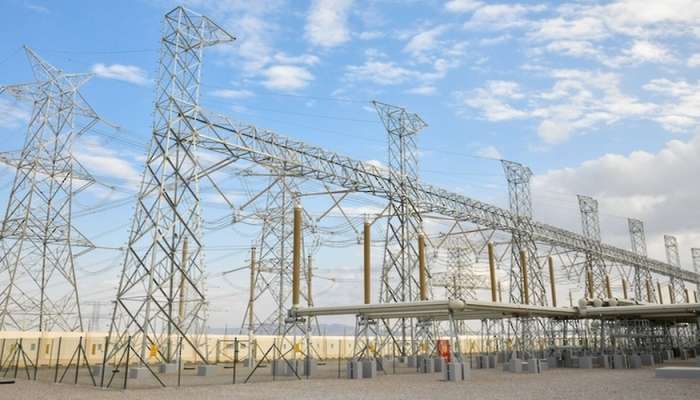
Total electricity generation in the Sultanate of Oman increased by 4.5 percent, reaching 31,732.5 gigawatt hours by the end of July 2026. This figure represents a rise from 30,354.6 gigawatt hours during the corresponding period of 2025. Concurrently, net electricity production saw a 4.9 percent increase over the same period. Net production reached 30,866.7 gigawatt hours by the end of July 2026, up from 29,421.5 gigawatt hours recorded by July 2025. These figures indicate a consistent upward trend in the country's electricity supply to meet demand.
Governorate Electricity Performance
Muscat Governorate recorded the highest growth rate in total electricity production, increasing by 197.4 percent. This significant rise notes a substantial expansion in electricity generation capacity or utilization within the capital region. Al Dakhiliyah Governorate followed with a 41.8 percent rise in total electricity production, demonstrating strong growth in this central region. Dhofar Governorate saw a 5.4 percent growth rate in its total electricity output, contributing steadily to the national grid. Al Wusta Governorate also experienced an increase, recording an 8 percent growth rate in total electricity production, reflecting development in its energy infrastructure. The Governorates of North Al Batinah, South Al Batinah, and Al Dhahirah collectively registered a 5.6 percent growth rate in total electricity production, indicating a moderate but consistent expansion across these key areas.
Conversely, some governorates experienced decreases in total electricity production. Total electricity production declined by 15.1 percent in the Governorates of North Al Sharqiyah and South Al Sharqiyah, suggesting potential shifts in generation patterns or reduced demand in these eastern regions. Musandam Governorate also saw a reduction, with total electricity production decreasing by 2.8 percent.
In terms of net electricity production, Muscat Governorate again led with the highest growth rate, reaching 197 percent. This mirrors its substantial increase in total electricity production, emphasizing its role in the national energy landscape. Al Dakhiliyah Governorate's net electricity production grew by 42 percent, further showing its significant contribution to the national supply. Dhofar Governorate recorded an 8.8 percent increase in net electricity production, outperforming its total production growth. Al Wusta Governorate's net electricity production also rose by 8.7 percent, slightly higher than its total production increase. The Governorates of North Al Batinah, South Al Batinah, and Al Dhahirah collectively reported a 5.5 percent growth rate in net electricity production. However, mirroring the trends in total production, net electricity production declined by 15.3 percent in the Governorates of North Al Sharqiyah and South Al Sharqiyah. Net electricity production in Musandam Governorate also decreased by 2.8 percent during this period.
Water Production Trends
Total water production in the Sultanate of Oman decreased by 3.2 percent, reaching 287,484.3 cubic metres by the end of July 2026. This figure marks a decline from 296,874.8 cubic metres recorded during the corresponding period of 2025. This overall reduction indicates a nationwide trend in water resource management or consumption.
Water production in Muscat Governorate saw a 5.9 percent decrease, falling from 118,160 cubic metres in July 2025 to 111,241 cubic metres by July 2026. This decline in the most populous governorate significantly contributes to the national reduction. Production in other governorates collectively dropped by 3 percent, amounting to 130,536.1 thousand cubic metres in July 2026, compared to 134,613 cubic metres in July 2025. This widespread decrease across multiple regions notes a broader pattern of reduced water output.
Conversely, Dhofar Governorate experienced a 3.6 percent rise in water production. Its output reached 45,707.1 cubic metres from January to July 2026, an increase from 44,101.8 cubic metres during the same period in 2025. This positive growth in Dhofar Governorate contrasts with the national trend, indicating localized increases in water availability or demand. Net electricity production in Musandam Governorate also declined by 2.8 percent during this timeframe.
Context and Data Source
The National Centre for Statistics and Information (NCSI) issued the data detailing the Sultanate of Oman's electricity and water production trends. The NCSI compiles and disseminates official statistics for the Sultanate, providing key indicators across various sectors, including energy and utilities. This information offers insight into the country's infrastructure performance and resource management over specified periods. The reported figures cover total and net electricity generation, alongside water production volumes, illustrating changes in these sectors across different governorates and providing key data for policymakers and stakeholders.